

The hardest part of dating again after a long relationship is rarely the logistics. It is the gap between who you were when you last dated and who you have become since. Years inside a partnership change a person’s habits, confidence, and sense of what they want, and stepping back out means meeting the current version of yourself before meeting anyone else.
Dating again after a long-term relationship can also feel unfamiliar because modern dating culture changes quickly. That gap is also why timing advice tends to miss the point. The question is less about how many months have passed since the split than about how steady you feel standing on your own. Get that part right and the rest of it, the apps, the first coffees, the small talk, becomes far more manageable than it looks from the far side of a long relationship.
Gauging Your Readiness
Emotional readiness, rather than a number on the calendar, is the real signal. Common guidance suggests waiting somewhere between six months and a year after a major breakup, but that range is a rough average rather than a rule. Some people need longer, and a few are genuinely steady sooner, so the calendar is a poor substitute for an honest self-assessment.
The signs of readiness are concrete enough to check honestly. You feel stable in your independence, you can set a boundary without guilt, and you enjoy your own company rather than dreading it. Most telling of all, the idea of meeting someone new brings more curiosity than worry. If the thought mainly triggers anxiety or a wish to fill an empty evening, the groundwork is not finished yet, and pushing forward anyway tends to backfire.
Rebuilding Confidence From the Ground Up
Confidence after a long relationship rarely returns through dating itself. It grows from the sense that your life is moving forward on its own steam, which is why the work starts well away from any date. Rebuilding a routine, exercising regularly, and picking up the hobbies that quietly disappeared inside the relationship all help rebuild a self that stands on its own two feet.
The inner work matters as much. Years of coupledom can erode the habit of seeing yourself as a whole person, and the voice that creeps in afterward is often harsh. Catching that negative self-talk and answering it deliberately, reminding yourself of your own worth, does more for dating confidence than any new outfit. People who feel solid in their own lives carry that steadiness into every conversation without having to perform it.
Practical First Steps
Before any grand plan, a handful of practical dating tips can ease the first awkward weeks back out. The most useful one is to start small. Rather than lining up high-stakes dates with people you find intensely attractive, rebuild the social muscles first through low-pressure contact, a few words with a barista, a conversation at the gym, or an evening out with no agenda.
Hobby groups and volunteering work the same way. They put you among people with a shared interest, which removes the pressure of the cold approach and gives a conversation somewhere natural to go. Each small interaction chips away at the rust that settles during a long relationship, and by the time a real date arrives, the basic mechanics of meeting someone feel familiar again rather than terrifying.
Adjusting to New Norms
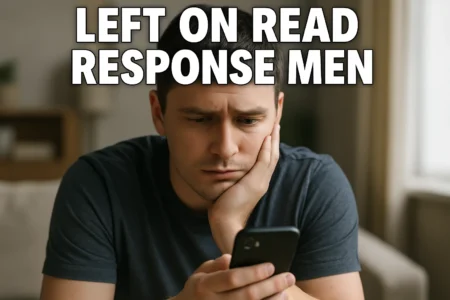
Anyone returning to dating after a decade-long relationship steps into a different world. The pace is faster, much of the early contact happens by text, and behaviors that did not have names before, like ghosting or the deliberately undefined connection, are now ordinary. Knowing what being ghosted means, and why it hurts so much, strips away some of its power. None of it is as alien as it first appears, but it helps to know the terrain before walking onto it.
The main adjustment is emotional rather than technical. The early stages of meeting people now move quickly and can feel impersonal, which feels cold to someone used to a slower, more committed rhythm. Treating the first few weeks as low-stakes practice, rather than a verdict on your worth, keeps the strangeness of modern dating from denting your confidence before you have found your footing.
Defining What You Want Now
The person you were at the start of your last relationship is not the person re-entering the dating world. Values, priorities, and dealbreakers all tend to move, so a useful early step is taking honest stock of what you actually want this time, a process that does as much for self-esteem as it does for the search itself. Casual company and a committed partnership are different goals, and being honest with yourself about which one you are after prevents a lot of wasted effort on both sides.
That honesty extends to boundaries. Knowing in advance what you will and will not accept, and stating it plainly when it matters, protects you from drifting into something that does not fit. A small mindset change helps here too, moving from trying to impress to working out if a person is actually right for you. The move from performance to assessment takes the pressure off and lets you behave like yourself from the first conversation.
Common Pitfalls to Avoid
A few traps catch people again and again. The first is carrying unresolved baggage onto dates, where old hurts and trust issues from the previous relationship quietly sabotage the new one before it has a chance. The work of learning to get over a breakup is what keeps it from leaking into the present, which is why the steadiness built earlier matters so much.
The other common errors are about pace and comparison. Rushing in to escape loneliness rarely ends well, and constantly measuring a new person against an ex does similar harm. For anyone with children, there is an added rule worth keeping, which is to hold off on introductions until a connection has proven steady. Taking it slowly is what makes the progress last, and there is no prize for being the first of your friends to couple up again.
Stepping Back Out With Confidence
Getting back on the dating market after a long relationship is less about technique than about readiness, and readiness is something a person builds rather than waits for, the same way the most resilient people grow through small steps rather than a single leap. Steady your own life first, take honest stock of what you want, start with low-stakes contact, and keep the pace gentle enough that you stay grounded.
Done in that order, dating again stops feeling like a test you might fail and starts feeling like an open question you get to answer on your own terms. The long relationship that ended was one chapter, and the next one tends to read better when you walk into it as a whole person rather than someone trying to fill a gap.
Conclusion
Returning to the dating world after a long relationship is less about mastering modern dating and more about reconnecting with yourself first. While the process may feel unfamiliar in the beginning, confidence returns with time, patience, and honest self-awareness. The healthiest approach is to move forward at your own pace, knowing that dating works best when it grows from a stable, grounded life rather than a need to fill a gap.
FAQs
What signals show you are emotionally ready to date again after a long relationship?
Emotional readiness is the real signal, not a calendar date. You feel stable in your independence, can set a boundary without guilt, enjoy your own company, and feel more curiosity than anxiety about meeting someone new.
What are practical first steps to ease back into dating?
Start small with low-pressure social interactions, such as brief conversations with a barista or a chat at the gym, or an evening out with no agenda. Join hobby groups or volunteering to meet people with shared interests.
How should you rebuild confidence before dating again?
Confidence grows from moving your life forward on its own steam, not from dating itself. Rebuild a routine, exercise regularly, pick up hobbies, and challenge negative self-talk by reminding yourself of your worth.
How does dating after a long relationship differ in terms of norms and pace?
The pace is faster and much of early contact happens by text, with behaviors like ghosting becoming common. Treat the first weeks as low-stakes practice and focus on understanding the terrain rather than judging your worth.
How should you define what you want now and set boundaries?
Take honest stock of what you actually want—casual company or a committed partnership—and be clear about it. State your boundaries in advance and focus on whether a person is actually right for you rather than trying to impress.